
Adams Golf — Irons
Adams Golf Irons: Engineered for Recreational Players Who Deserve Better Shots
Since 1991, Adams Golf has dedicated itself to a singular mission — designing innovative, forgiving golf clubs that help recreational golfers hit better shots from any lie on the course. Founded by Barney Adams in Plano, Texas, the brand emerged from a genuine understanding that most golfers aren't touring professionals. They're weekend warriors, retirees enjoying their golden years on the fairway, and mid-to-high handicappers who want equipment that works with them rather than against them.
The Adams Golf irons collection embodies this philosophy through every design decision. These aren't clubs that demand perfect swing mechanics to deliver results. Instead, they're engineered with game-improvement technology that compensates for the inconsistencies inherent in recreational play. Cavity-back designs, perimeter weighting, and progressive offset work together to create irons that launch higher, fly straighter, and forgive mishits that would punish players using less forgiving equipment.
For senior golfers experiencing decreased swing speeds or mid-handicappers struggling to achieve consistent ball striking, Adams Golf provides a pathway to better performance without requiring a complete swing overhaul. The brand recognizes that golf should be enjoyable, and nothing dampens enthusiasm faster than equipment that makes the game unnecessarily difficult.
Complete Package Sets to Individual Game-Improvement Clubs
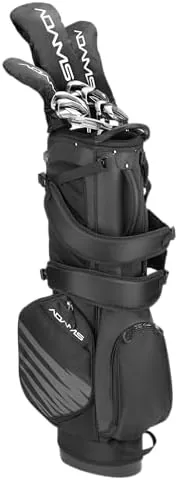
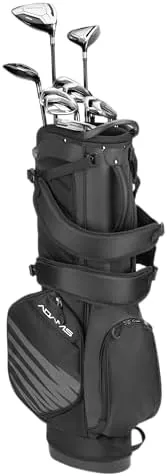
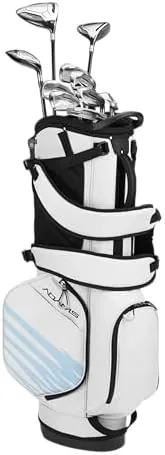
The product lineup spans comprehensive package sets designed for golfers seeking a complete equipment solution through a single purchase. The Adams Golf New Idea Package Set represents the cornerstone of this approach, available in configurations tailored to different player needs. Men's right-handed options include both 10-piece steel and 11-piece graphite variants, while left-handed players have access to the 10-piece steel configuration. Women golfers benefit from a dedicated 11-piece graphite set engineered specifically for their swing characteristics.
Each package set delivers cohesive performance across all clubs, eliminating the guesswork of piecing together equipment from multiple manufacturers. The irons within these sets feature the same game-improvement DNA that has defined the brand since Barney Adams revolutionized fairway wood design. Wide soles promote clean contact from various lies, while progressive offset configurations help square the clubface at impact.
Beyond complete sets, the iron offerings address specific gaps in a player's bag. Whether replacing difficult-to-hit long irons with more playable alternatives or upgrading mid-irons for improved approach shot accuracy, the collection provides solutions across the full spectrum of iron play requirements.
The Tight Lies Legacy and Tri-Sole Innovation
The engineering philosophy driving every iron design traces directly back to the revolutionary Tight Lies technology that established the brand's reputation. The signature Tri-Sole design featuring a trapezoidal shape fundamentally changes how the club interacts with turf at impact. By reducing surface contact area, the sole glides through grass rather than digging, producing cleaner strikes from tight lies, thin turf, and challenging conditions that typically punish recreational players.
This isn't merely marketing language — it represents a geometric solution to a problem every golfer faces. Traditional iron soles create drag and resistance when they contact the ground, especially from less-than-perfect lies. The Tri-Sole configuration minimizes this interaction, allowing the clubhead to maintain speed through the hitting zone. The result is more consistent distance control and improved accuracy even when ball position or lie quality isn't ideal.
Velocity Slot Technology complements the Tri-Sole by addressing another common recreational golfer challenge — off-center strikes. The slot positioned behind the face creates a trampoline effect that preserves ball speed on mishits, meaning shots struck toward the toe or heel still carry acceptable distances. For players who don't consistently find the sweet spot, this technology translates directly into lower scores.
Adams Golf Irons Feature Breakdown: Technology That Delivers Results
- Velocity Slot Technology A precision-engineered slot behind the clubface increases ball speed across the entire hitting surface. Off-center strikes maintain velocity that would be lost with traditional iron designs, producing more consistent distances regardless of strike quality.
- Tri-Sole Trapezoidal Design The signature sole geometry reduces turf contact during the swing, allowing clean strikes from tight lies, hardpan, and thin rough. This design originated with the legendary Tight Lies fairway woods and has been refined for iron applications.
- Low Center of Gravity Positioning Strategic weight placement positions the center of gravity low and deep within the clubhead. This engineering decision promotes higher launch angles without requiring aggressive swing changes, helping slower swing speed players achieve proper trajectory.
- Extended Face Technology A hitting area 14% larger than standard designs expands the effective sweet spot. This forgiveness feature ensures acceptable results on strikes that miss the optimal impact point, reducing the penalty for imperfect swings.
- Progressive Offset Configuration Offset increases gradually through the set, with long irons featuring more offset to assist squaring the face and short irons presenting a cleaner appearance for precision shots. This progression matches player needs across different club functions.
- Perimeter Weighting Architecture Weight distributed around the clubhead perimeter increases moment of inertia, resisting twisting on off-center hits. The result is straighter ball flights even when contact quality varies.
New Idea Package Sets: Why Golfers Keep Coming Back
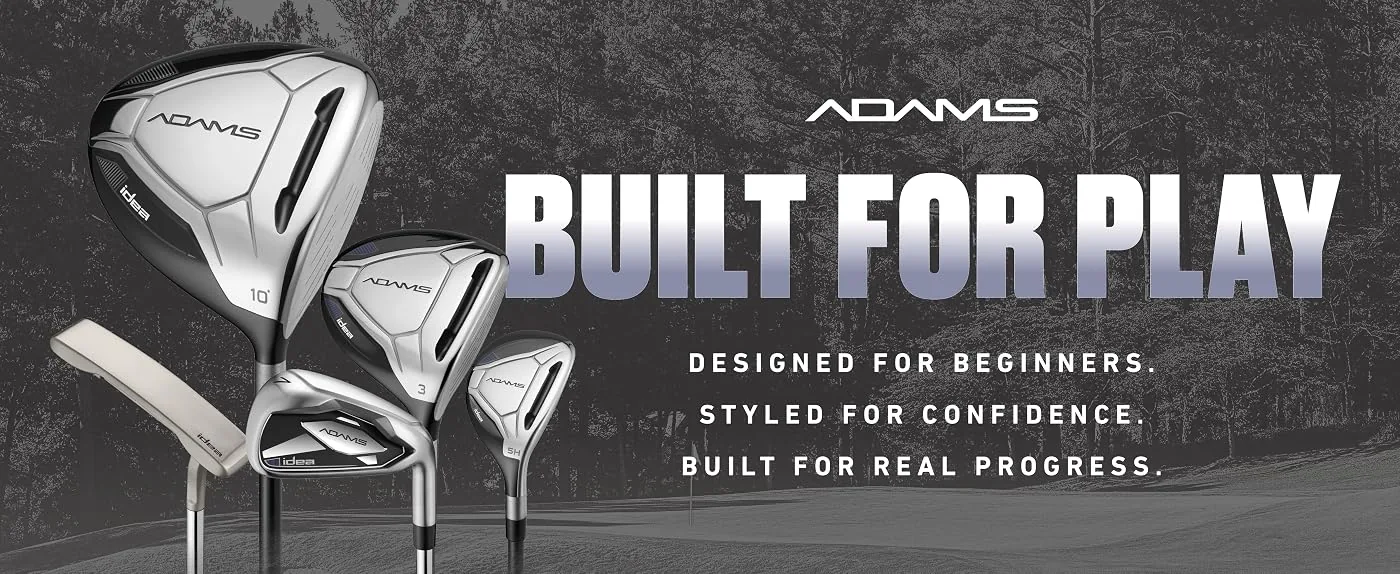
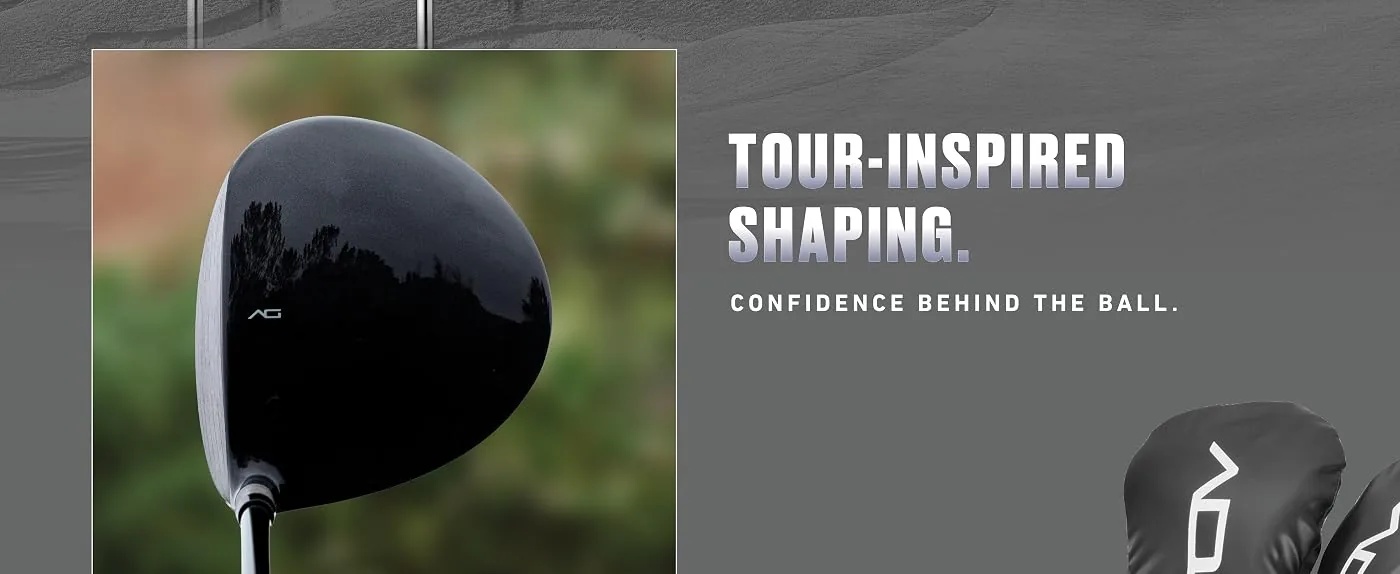
The Adams Golf New Idea Package Set for Men in the right-handed 11-piece graphite configuration consistently ranks among the most popular choices for golfers entering the game or upgrading from outdated equipment. The centerpiece is a real 100% titanium driver utilizing 6-4 titanium construction. This aerospace-grade material delivers exceptional strength-to-weight ratios, allowing designers to create larger, more forgiving clubheads without excessive mass. Players immediately notice the confidence this driver inspires off the tee.
Women golfers gravitate toward the dedicated 11-piece graphite set engineered around lighter overall weight and flex profiles suited to typical female swing characteristics. Rather than simply shortening men's clubs and applying different graphics, this set reflects genuine attention to how women generate power and maintain control throughout the swing. The graphite shafts prove essential here, optimizing both distance and trajectory without demanding aggressive swing speeds.
Left-handed players, often underserved by golf equipment manufacturers, find a quality option in the 10-piece steel configuration. The steel shafts provide a different feel profile preferred by some players, offering feedback and control characteristics that graphite doesn't replicate. Across all configurations, the New Idea sets deliver coordinated performance where every club feels like part of a unified system rather than a random collection of components.
Cavity-Back Construction and Lightweight Shaft Engineering
The irons employ cavity-back construction as the foundational architecture for forgiveness. Unlike blade-style irons that concentrate mass behind the hitting zone, cavity-back designs redistribute weight to the clubhead perimeter. This construction creates a larger effective hitting area and increases stability through impact. The cavity itself allows engineers to position mass precisely where it provides maximum benefit for recreational player needs.
Shaft selection plays an equally critical role in overall iron performance. Ultra-light graphite shafts appear across the women's sets and the men's graphite configurations, reducing overall club weight without sacrificing stability. Lighter clubs allow golfers with moderate swing speeds to generate more clubhead velocity, directly translating into additional yardage. The graphite material also dampens vibration, providing a softer feel at impact that many players prefer.
Steel shaft variants deliver a firmer, more connected sensation that appeals to players seeking maximum feedback. The men's steel configurations utilize appropriately weighted shafts that maintain proper swing weight while providing the responsiveness steel is known for. Both shaft materials undergo rigorous frequency matching to ensure consistent flex behavior throughout the set, eliminating the feel discontinuities that plague lesser-quality equipment.
Grip selection completes the construction picture, with properly sized grips installed on each configuration. Grip diameter significantly affects shot shape and control. The standard installations suit average hand sizes, though customization remains available for players requiring adjustments.
Fairway Confidence and Deep Rough Recovery in Every Round
On-course performance validates the engineering decisions embedded in every club. Golfers report immediate improvements when hitting from tight fairway lies. The Tri-Sole design proves its worth precisely in these situations, where traditional wide-sole irons tend to bounce into the ball, producing thin or skulled shots. Instead, the trapezoidal sole shape maintains proper loft through impact, launching the ball on its intended trajectory.
Deep rough presents another common challenge where these irons excel. The low center of gravity helps players get under the ball even when grass wraps around the hosel, while the progressive offset assists in squaring the face despite resistance from thick vegetation. Golfers who previously dreaded finding the rough discover they can advance the ball reasonable distances and maintain round momentum.
Durability testing under various conditions confirms long-term reliability. The clubface materials maintain their performance characteristics through thousands of impacts without degrading. Grooves retain their edges to produce consistent spin rates season after season. Players investing in this equipment can expect years of dependable service before considering replacement.
Getting Maximum Performance from Your Adams Golf Irons
- Ball Position Consistency Position the ball slightly forward of center for mid-irons and progressively toward the center for short irons. The low CG design works best when you allow the club to bottom out at the proper point in your swing arc.
- Trust the Loft Resist the temptation to help the ball into the air. The engineering handles launch angle optimization, so focus on solid contact rather than scooping motions that produce inconsistent results.
- Swing Within Yourself The forgiveness built into these clubs rewards smooth, controlled swings over aggressive attempts at maximum power. Tempo and balance produce better outcomes than raw effort.
- Clean the Grooves After Each Shot Debris accumulation in the grooves reduces spin and control. A simple brush between shots maintains optimal performance, especially from wet or muddy conditions.
- Store in Temperature-Controlled Environments Extreme heat or cold can affect shaft characteristics and grip integrity over time. Keep clubs indoors or in climate-controlled spaces when not in use.
- Inspect Grips Seasonally Worn grips force compensatory grip pressure that affects swing mechanics. Replace grips annually or when visible wear appears to maintain proper club control.
Fitting Guidance for Optimal Shaft Flex and Club Length
Proper fitting ensures the technology performs as designed. Shaft flex selection depends primarily on swing speed, with the ultra-light graphite options best suited for players generating driver speeds below 85 mph. The steel configurations work well for moderate swing speeds in the 85-95 mph range. Players exceeding these speeds may require stiffer flex options available through custom ordering.
Club length affects both distance and accuracy. Standard lengths suit golfers of average height, generally between 5'7" and 6'0" for men and 5'3" to 5'8" for women. Taller players benefit from extended lengths that promote proper posture, while shorter golfers achieve better contact consistency with reduced lengths. A basic fitting session at any golf retailer can identify optimal specifications.
Lie angle adjustment represents another critical fitting parameter. Clubs that sit too upright promote left-missing shots for right-handed players, while flat lie angles produce rightward misses. Most game-improvement irons including those in this collection allow lie angle bending to match individual swing characteristics. Seek professional fitting assistance if consistent directional misses occur.
Perfect Equipment for Weekend Golfers and Senior Players
Ideal Player Profiles
- Golfers with handicaps above 15 seeking score improvement
- Senior players experiencing swing speed decline
- Beginners wanting equipment that won't hinder learning
- Returning golfers updating outdated equipment
- Players frustrated by inconsistent ball striking
Playing Situations Where These Excel
- Courses with firm fairway conditions
- Layouts requiring shots from challenging lies
- Rounds where consistency matters more than maximum distance
- Practice sessions focused on iron play development
- Social golf where enjoyment outweighs competition
Selecting the Right Irons Configuration for Your Game
Choosing between package set configurations begins with an honest assessment of swing speed and strength. Players generating moderate clubhead velocities benefit significantly from graphite shafts, which reduce overall club weight and allow faster swing speeds without additional effort. The 11-piece graphite sets provide this advantage across the entire bag, creating a cohesive playing experience.
Steel shaft configurations appeal to players who prioritize feel and feedback over pure distance. The slightly heavier overall weight promotes tempo awareness and provides a more connected sensation at impact. Golfers who have played with steel throughout their careers often prefer maintaining this familiarity rather than adapting to graphite characteristics.
The difference between 10-piece and 11-piece sets typically involves wedge inclusion. Evaluate your current short game equipment before deciding. If existing wedges perform well, the 10-piece option provides excellent value. Players needing complete equipment renewal benefit from the 11-piece sets that eliminate any gaps in coverage.
Handedness determination is straightforward but essential. The left-handed steel configuration serves players who swing from the opposite side, delivering the same technology and performance benefits as right-handed options. Never compromise on handedness simply because specific configurations appear unavailable. The investment in properly-handed equipment pays dividends throughout your golfing life.
Adams Golf Irons vs. Competing Game-Improvement Options
| Feature | Adams Golf Irons | Callaway Strata | Wilson SGI |
|---|---|---|---|
| Primary Forgiveness Technology | Velocity Slot + Tri-Sole | Wide Sole Design | Power Holes |
| Face Size Advantage | 14% Extended Face | Standard | Slightly Enlarged |
| Sole Design | Trapezoidal Tri-Sole | Traditional Wide Sole | Standard Wide Sole |
| CG Position | Ultra-Low | Low | Low-Mid |
| Graphite Shaft Option | Yes - Multiple Sets | Yes - Select Sets | Yes - Select Sets |
| Tight Lie Performance | Excellent - Signature Strength | Good | Good |
| Target Handicap Range | 15-36+ | 18-36+ | 15-30 |
| Heritage/Pedigree | 30+ Years Innovation | Modern Brand Extension | Traditional Manufacturer |
Comparison based on published specifications and design philosophy. Individual results vary based on swing characteristics.
Keeping Your Clubs in Peak Playing Condition
- Post-Round Cleaning Routine Wipe clubheads with a damp cloth after every round to remove grass stains, dirt, and moisture. Use a soft-bristled brush on grooves to clear debris that affects spin performance.
- Deep Cleaning Monthly Soak clubheads in warm soapy water for 10 minutes, then scrub grooves with a specialized cleaning tool. Rinse thoroughly and dry completely before storage to prevent water spots and potential rust on steel shafts.
- Shaft Inspection Protocol Examine graphite shafts for cracks, chips, or delamination regularly. Check steel shafts for rust spots or dents. Any structural damage warrants immediate professional assessment.
- Grip Maintenance Clean grips with mild soap and water every few rounds to restore tackiness. Residue from sunscreen, sweat, and course conditions degrades grip performance over time.
- Storage Best Practices Store bags upright in climate-controlled spaces. Avoid leaving clubs in vehicle trunks where temperature extremes can damage components. Use headcovers on woods and hybrids but allow irons to remain uncovered for proper ventilation.
- Seasonal Professional Inspection Have a club professional check lie angles, loft consistency, and shaft integrity annually. Small adjustments maintain the designed performance characteristics throughout years of use.